High-functioning depression is a term used to describe people who keep up with work, relationships, and daily responsibilities while quietly struggling with persistent depressive symptoms like low mood, fatigue, and a loss of joy.
It isn’t a formal diagnosis, but the experience is very real. Because it stays hidden behind a capable exterior, it’s one of the most overlooked forms of depression there is.
If you’ve been feeling emotionally drained or numb while still managing to meet life’s demands, you may be living with high-functioning depression without realizing it. Here’s what it actually is, how to recognize it, how it differs from other forms of depression, and when it’s worth reaching out for help.
Learn more about our depression treatment in Tennessee or call us now at 423-413-6195.
What Is High-Functioning Depression?
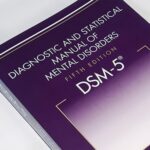
It’s worth being clear up front: “high-functioning depression” is not an official clinical diagnosis. You won’t find it in the DSM-5, the manual clinicians use to diagnose mental health conditions. It’s a plain-language term people use to describe depression that doesn’t stop them from functioning day to day.
Clinically, what people call high-functioning depression most often overlaps with persistent depressive disorder (PDD), formerly known as dysthymia — a chronic, lower-grade depression that lasts two years or longer (one year in children and teens).
Researchers estimate that PDD affects roughly 1.5% to 3% of people at some point in their lives. The symptoms are usually less intense than a major depressive episode, but they’re ongoing, and that chronic, grinding quality is part of what makes them so easy to normalize. When you’ve felt this way for years, it can start to feel like simply who you are rather than something treatable.
That said, the term isn’t limited to PDD. Some people experience major depressive disorder, or an adjustment disorder with depressed mood, while still keeping up appearances. The defining feature isn’t the specific diagnosis; it’s the gap between how someone appears and how they actually feel.
Recent research has begun studying high-functioning depression as a pattern in its own right. A 2025 study characterized it as the presence of depressive symptoms, particularly anhedonia, the reduced ability to feel pleasure, in people who keep functioning and often don’t appear distressed.
Because they stay productive and don’t readily identify as depressed, their symptoms frequently go unrecognized, even by themselves.
High-Functioning Depression vs. Major Depression vs. PDD
One of the fastest ways to understand high-functioning depression is to see how it compares to the clinical conditions it overlaps with.
| High-Functioning Depression | Major Depressive Disorder (MDD) | Persistent Depressive Disorder (PDD) | |
|---|---|---|---|
| Daily functioning | Maintained — work and relationships continue | Often visibly impaired | Usually maintained but strained |
| Symptom intensity | Mild to moderate (sometimes severe but masked) | Moderate to severe | Mild to moderate, chronic |
| Duration | Variable; often long-standing | Episodes lasting 2+ weeks | 2+ years (1+ in kids/teens) |
| In the DSM-5? | No (colloquial term) | Yes | Yes |
| Visible to others? | Usually hidden | Often noticeable | Often hidden |
The throughline: “high-functioning” describes how the depression presents, not how mild it is. Someone can be functioning beautifully on the outside and still be carrying significant pain on the inside.
Signs and Symptoms of High-Functioning Depression
Because the outward life keeps running, the signs tend to show up internally or in subtle patterns. Common symptoms of high-functioning depression include:
- A persistent low mood or sense of emptiness that doesn’t lift, even when things are objectively going well
- Anhedonia — doing the things you used to enjoy but no longer feeling much from them
- Ongoing fatigue and low energy that rest doesn’t seem to fix
- Harsh self-criticism, perfectionism, or a feeling of never doing enough
- Difficulty concentrating or making decisions
- Irritability or a short fuse, often hidden from others and turned inward
- Changes in sleep or appetite (too much or too little of either)
- Emotional numbness, or feeling like you’re watching your life rather than living it
- Relying on busyness, work, food, or other distractions to avoid sitting with how you feel
- A quiet but persistent sense that something is off — often paired with guilt for feeling that way “when life is fine”
You don’t need to check every box. If several of these resonate and have been present most days for weeks or longer, it’s worth paying attention to.
If you feel you’re struggling with high-functioning depression, our residential treatment programs in Tennessee can help. Call us now at 423-413-6195 or verify your insurance.
Why High-Functioning Depression Is So Easy to Miss
Most people picture depression as something that visibly stops you in your tracks: unable to get out of bed, unable to work, withdrawn from everyone. That picture is real for many people, but it isn’t the whole story.
High-functioning depression hides in plain sight because:
- Achievements mask the struggle: When someone is still performing, others assume they’re okay — and so does the person themselves.
- The symptoms are quieter: Instead of a dramatic collapse, it looks like chronic fatigue, irritability, or a flatness that’s easy to write off as stress.
- Self-doubt gets in the way: “Other people have it worse” or “I have no reason to feel this way” keeps people from reaching out.
- Pushing through gets praised. Our culture rewards productivity and resilience, so the very coping strategy that hides the depression keeps getting reinforced.
The result is that people can carry this for years before anyone — including themselves — recognizes it for what it is.
A Quick Self-Check
There’s no single test that diagnoses high-functioning depression, but reflecting honestly on your own experience can tell you whether it’s time to talk to someone.
Over the past few weeks, have you noticed that you:
- Feel low, empty, or numb most days, even when nothing is obviously wrong?
- Keep meeting your responsibilities but feel like you’re running on fumes to do it?
- No longer get much enjoyment from things that used to matter to you?
- Are quietly hard on yourself in a way you’d never be with a friend?
- Spend energy hiding how you actually feel?
If you’re nodding along to several of these, that’s not a diagnosis — but it is a good reason to reach out to a mental health professional for a proper evaluation. You don’t need to be falling apart to deserve support.
What Causes High-Functioning Depression?
There’s no single cause.
Like depression generally, it tends to develop through a combination of factors: brain chemistry and genetics, family history, past trauma, chronic stress, and major life transitions. It also shows up often in people who are high-achieving, self-reliant, or used to being the one others lean on — professionals, caregivers, parents, and students who pride themselves on holding it together.
Does High-Functioning Depression Co-Occur With Anxiety?
Frequently, yes. Anxiety and depression overlap often, and many people experiencing high-functioning depression also live with persistent worry, tension, or racing thoughts. The two can feed each other — anxiety driving the relentless pushing-through, depression draining the energy to keep it up. When both are present, addressing them together tends to lead to better, more durable results. (You can learn more about our anxiety treatment as well.)
Is “High-Functioning” Even a Helpful Term?
Some clinicians push back on the phrase, and it’s worth understanding why.
The “high-functioning” label can unintentionally minimize how serious the experience is, suggest the symptoms aren’t “bad enough” to warrant help, or reinforce the idea that depression has to be visibly disabling to count.
None of that is true.
The value of the term is that it widens the picture of what depression can look like. The takeaway should never be that functioning means you’re fine, or that you should wait until you’re not functioning to ask for help.
How High-Functioning Depression Is Treated
The encouraging part: this is treatable, often very effectively. Treatment usually combines a few elements:
- A thorough evaluation to understand what’s actually going on, since “high-functioning depression” can point to several underlying conditions that call for different approaches.
- Therapy, particularly evidence-based approaches like cognitive behavioral therapy (CBT) and interpersonal therapy, which help interrupt the self-critical thought patterns and isolation that often drive this experience.
- Psychiatric support and medication management when appropriate.
- Lifestyle and structural support around sleep, movement, connection, and the relentless drive to push through.
For many people, weekly outpatient therapy is the right starting point. For others a more immersive setting offers the space to step back, get a clear assessment, and focus fully on healing. That’s the heart of what residential care provides.
Tour our Residential treatment programs.
When to Seek Help
A simple rule of thumb: if a low, empty, or numb mood has been present most days for weeks or longer, if it’s affecting how you think and feel even when it isn’t affecting your output, or if you’re spending real energy hiding it, it may be a reason enough to talk to someone.
You don’t have to wait until you’ve stopped functioning to deserve care.
You Don’t Have to Keep Carrying It Quietly
If you’ve spent a long time being the person who’s “fine,” it can feel strange to admit you’re struggling. But the people who look the most put-together are often the ones working hardest to stay that way. You’re allowed to set that effort down and ask for help.
At Tennessee Wellness Retreat, our depression treatment in Tennessee is built around individualized care in a restorative setting, with a team that understands depression doesn’t always look the way people expect. To learn more about our mental health programs or talk through your options, verify your insurance or call us at 423-413-6195.
Frequently Asked Questions
Is high-functioning depression a real diagnosis?
No — it isn’t a formal diagnosis in the DSM-5. It’s a widely used term that describes depressive symptoms in someone who keeps functioning day to day. The underlying condition is often persistent depressive disorder (dysthymia) or a milder presentation of major depression, and it’s very real and treatable.
What’s the difference between high-functioning depression and PDD?
Persistent depressive disorder (PDD) is the clinical diagnosis that high-functioning depression most often maps to. PDD involves a chronic low mood lasting two years or more. “High-functioning depression” is the everyday term for how that can look in someone who’s still meeting their responsibilities.
Is there a test for high-functioning depression?
There’s no single diagnostic test. A mental health professional makes an assessment based on your symptoms, history, and how long you’ve felt this way, sometimes using screening questionnaires. Self-reflection checklists can help you decide whether to seek an evaluation, but they don’t replace one.
Can you have high-functioning depression and still feel happy sometimes?
Yes. You can have good moments, laugh, and enjoy parts of your day and still be living with high-functioning depression. The condition is defined by a persistent underlying low mood or loss of joy over time — not by the total absence of positive feelings.
Does high-functioning depression go away on its own?
It can wax and wane, but because it’s often chronic, it frequently persists or deepens without support. The good news is that it responds well to treatment — therapy, and sometimes medication and lifestyle changes — so reaching out can make a meaningful difference.
If you or someone you know is in crisis or having thoughts of suicide, you can call or text 988 to reach the Suicide and Crisis Lifeline, available 24/7.